
Insulation & Air Sealing
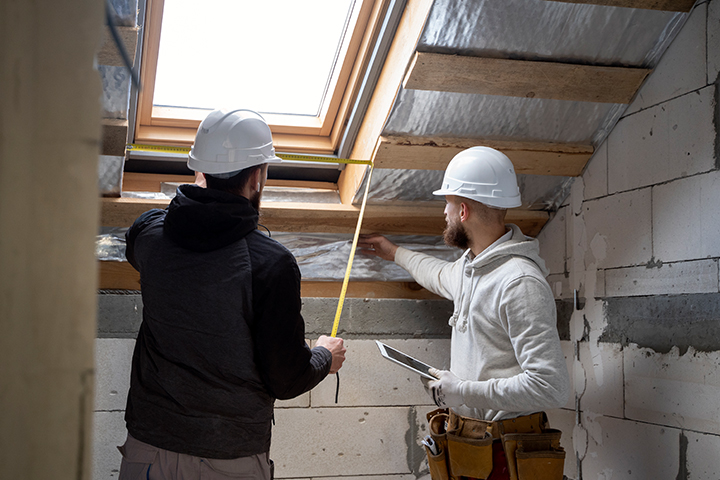
Insulation & Air Sealing in Albany, NY
If your house is cold in January but your heating bill says otherwise, you’re not imagining things. A lot of Albany homes have exactly this problem — and most of the time, the culprit isn’t the furnace.
It’s air leaking in and out through gaps you can’t see.
We’re Vertesol, a local insulation contractor based right here in Albany at 569 Third Street. We work with homeowners across the Capital Region to figure out where energy is escaping, stop it, and make the house feel the way it should — comfortable, consistent, and not expensive to heat.
If you’re ready to talk, give us a call at +1 518-991-6551. Or keep reading and we’ll walk you through exactly what we do and how it works.
Why Albany Homes Lose So Much Heat
Albany winters aren’t gentle. We regularly see temperatures drop into the single digits, and homes that weren’t properly insulated or sealed decades ago were never designed to handle that efficiently.
Many houses in Albany — particularly those built before the 1980s — have:
- Thin or deteriorating attic insulation that no longer meets current R-value standards
- Uninsulated rim joists along the basement perimeter, which are among the biggest sources of cold air infiltration in older homes
- Gaps around plumbing stacks, electrical boxes, and recessed lights that act like open passages for conditioned air to escape
- Crawl spaces and basements that pull cold air up through the floor system
The result? Your furnace runs constantly trying to maintain a temperature the house can’t hold. You pay for heat that just disappears into the walls, attic, or crawl space.
Proper insulation combined with targeted air sealing changes that equation.
Our Insulation & Air Sealing Services
We don’t offer a one-size-fits-all solution, because every house is different. Here’s what we commonly install and where we use each.
Spray Foam Insulation
Spray foam is our most powerful tool when air leakage is significant. Unlike fiberglass batts — which slow heat transfer but don’t stop air movement — spray foam expands on contact, fills gaps, and bonds to surfaces. It creates a continuous barrier rather than just a layer between framing.
We use spray foam most often in:
- Attic rafters and roof decks — especially in homes converting to conditioned attic space
- Basement rim joists — one of the highest-impact, lowest-cost improvements in most Albany homes
- Crawl space walls and ceilings
- Around window and door rough openings during renovations
- Mechanical rooms and unconditioned spaces where pipes are at risk of freezing
There are two types — open-cell and closed-cell — and we’ll explain which is appropriate for your specific situation during the assessment. Closed-cell has a higher R-value per inch and also acts as a vapor barrier. Open-cell is better suited for interior applications where flexibility and sound absorption matter more.
Blown-In Insulation (Cellulose & Fiberglass)
Not every project needs spray foam. For attics with adequate air sealing already in place, or walls being retrofitted without opening drywall, blown-in insulation is a cost-effective way to significantly increase R-value.
We install:
- Blown-in cellulose — made from recycled paper, excellent thermal performance, and naturally resistant to settling when properly installed at the right density
- Blown-in fiberglass — lighter weight, good for open attics needing quick coverage increases
These work best when combined with proper air sealing first. Insulation without air sealing is like putting a heavy blanket over a screen window — you’ll feel some difference, but the root problem remains.
Air Sealing
This is often the most important step — and the one homeowners hear the least about.
Air sealing means finding and closing the gaps, cracks, and penetrations that allow conditioned air to escape and outside air to enter. In Albany homes, the most common problem areas we seal include:
- Top plates and attic bypasses (where interior walls meet the attic floor)
- Recessed lighting penetrations
- Plumbing and electrical stack penetrations
- Attic hatch frames
- Basement rim joists
- HVAC chases and duct penetrations
We use a combination of caulk, foam, and rigid air barrier materials depending on the location and size of the gap. In many cases, we recommend a blower door test before and after the work — it measures how much air the house was exchanging per hour, and confirms the improvement.
What the Process Looks Like
We know nobody wants to hire a contractor without knowing what they’re walking into. Here’s the typical flow when you work with us:
Step 1 — Initial Conversation: You tell us what you’re experiencing: which rooms are uncomfortable, whether bills have gone up, whether you’ve noticed drafts or moisture. We listen before we recommend anything.
Step 2 — Home Assessment: We inspect the relevant areas of your home — attic, basement, crawl space, walls — and identify where insulation is missing, inadequate, or where air is leaking. We explain what we find in plain terms.
Step 3 — Recommendation & Quote: We tell you what we’d do and why. If spray foam makes sense, we say so and explain it. If blown-in and targeted air sealing will get you 90% of the benefit at 60% of the cost, we say that too. You get a written quote with no surprises.
Step 4 — Installation: Our crew handles the work efficiently and cleanly. Most residential insulation and air sealing projects are completed in one to two days. We protect your space and leave it the way we found it.
Step 5 — Follow-Up: We check in after the job to make sure you’re noticing the difference. If something isn’t right, we come back and fix it. Simple as that.
Who We Work With
We work with homeowners across the Albany area, including:
Troy, Schenectady, Clifton Park, Cohoes, Latham, Delmar, Guilderland, Colonie, Watervliet, Green Island, Rensselaer, and surrounding Capital Region communities.
Whether you own an older Colonial in Albany’s Center Square neighborhood or a newer build in Clifton Park that’s still underperforming, the process is the same — we figure out the actual problem and fix it properly.
We also work with landlords managing rental properties and small commercial building owners, particularly for basement and crawl space work where moisture and energy loss intersect.
Why Insulation and Air Sealing Go Together
This is worth understanding before you commit to any work.
Insulation slows the movement of heat. Air sealing stops the movement of air. They’re not the same thing — and one without the other usually underdelivers.
Here’s a real-world example: a home with R-38 attic insulation but no air sealing at the attic floor level will still allow enormous amounts of warm air to escape through gaps around wiring, light fixtures, and interior wall top plates. The insulation is doing its job, but the air is bypassing it entirely.
That’s why our approach always addresses both. We don’t install insulation on top of an air leakage problem and hope for the best.
Energy Savings & Rebates in Albany, NY
Many homeowners in New York State are eligible for rebates and incentives when they upgrade insulation and air sealing. Programs through NYSERDA (New York State Energy Research and Development Authority) and your local utility may offset a meaningful portion of the project cost.
We can walk you through what you may qualify for during the assessment. In some cases, a Home Energy Audit (which we also offer) is a required first step to unlock those incentives.
FAQ's
It depends on the home. For houses with significant air leakage, spray foam insulation can noticeably improve comfort and reduce strain on the heating system.
While the upfront investment is higher than traditional materials, many homeowners choose it for long-term energy performance and durability.
We always assess the home first before recommending it.
Most homes need both, but the balance depends on what's already there. Homes with insulation but persistent drafts usually have air leakage as the primary issue. Homes with very little existing insulation in the attic or walls typically need both addressed together. The best way to know is a proper assessment — we'll tell you exactly what we see.
The U.S. Department of Energy recommends attic insulation of R-49 to R-60 for Climate Zone 5, which covers most of New York State including Albany. Many older homes in the area have R-19 or less — significantly below that threshold. Walls typically target R-13 to R-21 depending on framing depth.
Yes — once it has fully cured. During and immediately after application, residents should vacate the space for 24 to 72 hours depending on the product and scope of work. After curing, spray foam is inert and stable. We follow all manufacturer guidelines and local code requirements for ventilation and occupancy timelines.
Spray foam insulation, when properly installed, can last the lifetime of the home — it doesn't settle, compress, or degrade like older materials. Blown-in cellulose and fiberglass can last 20 to 30+ years. Fiberglass batts can last longer but are more prone to moisture damage and settling if not properly protected.
Often, yes — at least significantly. Ice dams form when warm air from the living space escapes into the attic, heats the roof deck, and melts snow that then refreezes at the cold eave. Sealing the attic floor and adding adequate insulation stops warm air from reaching the roof deck in the first place. Combined with proper attic ventilation (which we also assess), this is the correct long-term fix.
Yes. Call us at +1 518-991-6551 or reach out through our contact page and we'll schedule a time to come out and take a look.
Most people we talk to waited longer than they should have. Uncomfortable rooms, high bills, and ice dams aren't just annoyances — they're signs of energy leaving your home every single day.
A properly insulated and air-sealed home in Albany is quieter, more even in temperature, and cheaper to heat and cool. We've seen it make a real difference for homeowners across the Capital Region.
Vertesol — Insulation & Air Sealing Contractor 569 Third Street, Albany, NY 12206 📞 +1 518-991-6551