
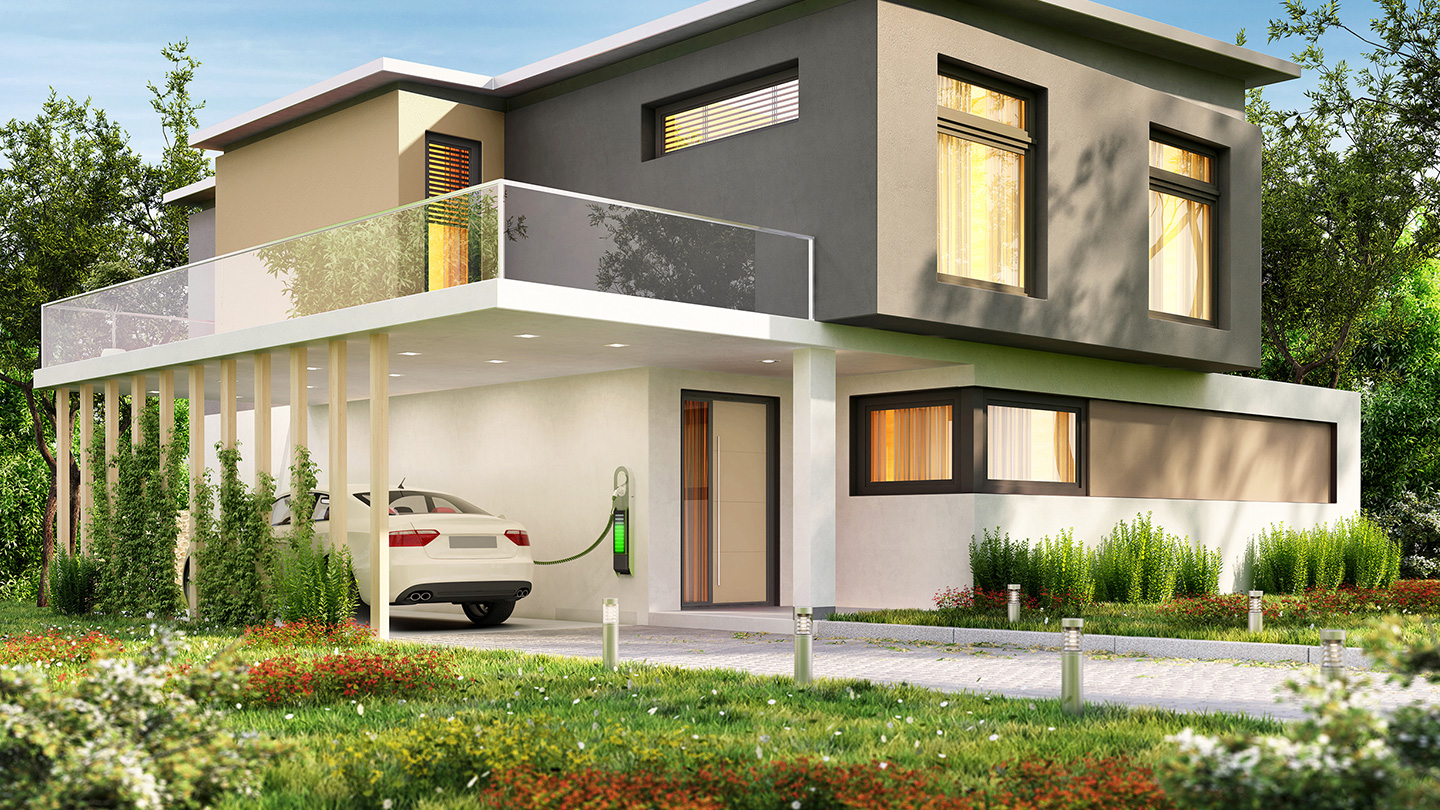
Building a new home is an exciting experience. We plan everything accordingly to get the best out of every effort. But building a good home isn’t only meaningful in the sense of aesthetic appeal. A good home should be planned to be energy-efficient and climate-friendly, too.
These days, with technological advancements, we have plenty of ideas and techniques to use while constructing our homes to make them energy-efficient and contribute to the green economy. Energy-efficient houses are sustainable and comfort-friendly and help save a lot more money than you think. This blog will talk about the 11 most important tips for building an energy-efficient home and how you can implement them.
1. Location, Shape & Construction Material
Location, shape, and construction materials are the prime considerations while building an energy-efficient home. These are important because they directly influence the heating and cooling requirements of your building. The ideal condition is to receive the maximum amount of passive solar energy in winter and reduction of the heat during summer. This can be easily done by optimizing the home’s location, orientation, and landscaping.
Design your home orientation according to your climatic nature. For example, if you’re living in a colder climate, make sure your window location should receive maximum sunlight. South-facing homes capture the maximum sunlight in winter and block the rays in the summer.
Similarly, if you’re living in a hot and humid climate, you must orient your house on the south side facing north because such orientation has the advantage of receiving maximum sunlight at the back of the house.
Such Strategies will make a huge difference and significantly reduce the heating and cooling requirements of the house. Choose the material accordingly. Select the material that can trap the heat in the winter and reflect the sun’s rays in the summer. When there is not much requirement for external heating and cooling, you automatically save your energy bill and help reduce your carbon footprint.
2. Landscaping & Shade
Landscaping with shade elements helps you prevent your house from absorbing excess heat. They help reduce temperature by up to 6 degrees. Plant trees with canopies such as Yellow Buckeye and London Planetree to provide shade to your house.
Planting location plays a crucial role in determining the heat requirement of your building. Trees on the east, south, and west sides will keep your house cool in the extreme heat because east-side trees help block morning sunlight, and south-side trees block the sunlight in the mid-morning and early afternoon.
3. Ventilation Systems
A properly designed ventilation system for an energy-efficient house provides comfort and also helps save energy. Ventilations are very important as they filter out contaminated air. Generally, windows and space for mechanical fans serve as the ventilation system. But it is best if your home ensures healthy and natural ventilation.
A ventilation system is an integral part of an energy-efficient house because it helps in moving air and moisture across the building. A good and well-thought-out ventilation system can significantly minimize the overall usage of energy and help in making your home energy-efficient.
4. Energy-Efficient HVAC System
With advancements in technology and innovations, the technical upgradation of electrical gadgets and systems has been on rapid fire. The pace of innovation has fastened the upgradation system. Look for an energy-efficient HVAC system for your home. Install a system that consumes less energy and emits low carbon.
Opt for SEER ratings and smart functionalities that can help you increase your savings.
5. Energy Saving Devices
To save your costs and make your home energy-efficient, you must opt for smart devices. You can use smart AC controllers, smart thermostats, smart bulbs, smart blinds, kitchen appliances, etc.
Smart AC Controllers function by regulating your air condition usage according to your usage habits throughout the day, leading to savings of 25% on your cooling and heating bills. This can also be connected to other devices for further benefits.
6. Lighting Fixtures
Your home interior and exterior decor aesthetic decide how much light your house will consume. However, opting for energy-efficient lighting can help in reducing your energy consumption. The use of LEDs and Fluorescent bulbs are good examples.
Also, designing the house to get plenty of natural light during the daytime can help in cutting down the lighting bill and also provide aesthetic appeal to your house. Natural light penetration to the building has its own benefits and keeps your building safe and healthy.
7. Building Envelope
We protect our smartphones, vehicles, and other devices from scratches by putting a cover on them. In the same way, your building needs to be cared for. The outer structure of the building is called a building envelope, and it is necessary for energy systems. It forms a shield between the outer and inner environment, thereby helping to protect the home from air, moisture, and harsh conditions.
Considering the type of body envelope you used determines the degree to which it becomes energy efficient. It helps in maintaining the desired temperature.
8. Design for Water Conservation
An increasing number of houses are going for water conservation. They opt for greywater recycling to conserve water. Greywater is the wastewater from showers, sinks, laundry tubs, and washing machines.
This can be done by installing a diversion system in the houses as well. You can divert greywater from the washing machine to the bathroom or garden.
This practice will help you decrease your water usage by 50%, helping reduce your water bill. Moreover, you can also save water by incorporating new technology in your house.
9. Roofing Materials
The roofing material is an important consideration as it helps deflect sunlight and absorbs less heat, thus maintaining the constant temperature of your home. The choice of roofing material makes a difference in overall energy efficiency. The materials used to build roofs help you with energy conservation and decrease air pollution and greenhouse gas emissions. It helps in keeping your home cool without air conditioning.
10. Go Solar
The best way to make your house energy-efficient is going for solar energy. Install solar panels on the roof or in places that have the potential to absorb maximum sunlight. Solar panels help in converting solar energy into electrical energy.
It is an environmentally friendly option. It may feel expensive initially, but it saves a lot of money in the long run.
11. Water Heating Systems
A water heating system consumes a huge amount of electricity. There are many ways to improve water heating systems and save energy. Opting for an energy-efficient water heater and using solar water heaters.
Efficient water heater systems are very important for making your house energy efficient.
An energy-efficient house might be expensive at the start, and you may feel like not investing in it, but it can be incredibly beneficial in the longer term, letting you save money and energy. Let’s contribute to improving the world by making our economy green.

