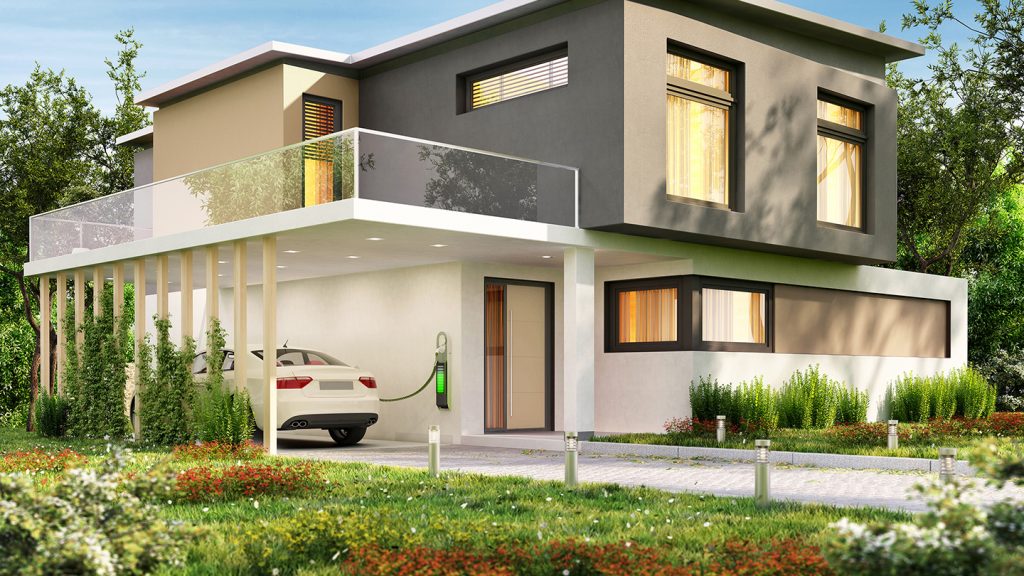

Renovating a home is a significant undertaking, but when approached efficiently and economically, it can be an incredibly rewarding experience. Energy-efficient homes are not only environmentally sustainable but also designed for maximum comfort, helping homeowners save more money than they might expect.
With advancements in technology, there are countless innovative ideas and techniques available to incorporate into home construction and renovations. By prioritizing energy efficiency, we can actively contribute to the green economy. From HVAC systems and lighting to construction materials and layout design, every aspect of planning is carefully balanced against the expected return on investment (ROI).
This blog will highlight key tips for renovating an energy-efficient home and provide practical advice on implementing them effectively.
1. Energy-Efficient HVAC System
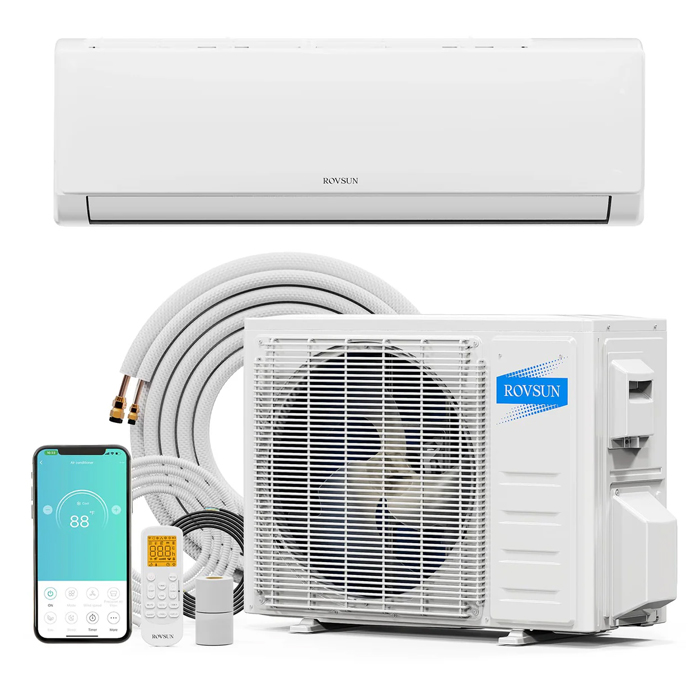
When designing energy-efficient solutions for affordable housing, selecting the appropriate heating and cooling system is crucial. While heat pumps with central air systems offer superior energy efficiency and overall comfort, multi-split systems present a cost-effective alternative that may be more accessible for budget-conscious housing developments.
Multi-split systems are particularly advantageous due to their lower installation costs, ease of maintenance, and ability to provide zoned heating and cooling. With heat zoning capabilities, multi-splits allow residents to independently control temperatures in specific rooms or areas of the home. This targeted approach enhances energy efficiency by minimizing unnecessary heating or cooling of unused spaces, making them ideal for projects aimed at reducing overall energy usage while maintaining affordability.
On the other hand, heat pumps with central air excel in delivering consistent temperature control throughout the home, ensuring maximum comfort and long-term energy savings. These systems are especially well-suited for projects that prioritize reducing environmental impact. However, the higher upfront installation costs may make them less feasible for certain affordable housing developments.
Ultimately, the decision between multi-split systems and centralized heat pumps should consider the project’s budget, the region’s climate, and the specific needs of the residents. By carefully balancing affordability, energy efficiency, and the benefits of heat zoning, housing developers can create sustainable, comfortable living spaces that align with both economic and environmental goals.
2. Location & Construction Material
When renovating energy-efficient home, location and choice of construction materials are critical factors to consider. These elements directly impact the heating and cooling requirements of the building and play a pivotal role in achieving optimal energy efficiency.
The goal is to maximize passive solar energy during the winter while minimizing heat absorption in the summer. This can be accomplished by carefully aligning the home’s orientation with the placement of windows, insulation materials, construction materials, and landscaping design.
For instance, in colder climates, it is essential to position windows to receive maximum sunlight. South-facing homes excel in harnessing winter sunlight while effectively blocking solar rays during summer months. Conversely, in hot and humid climates, orienting windows toward the north can significantly reduce direct sunlight exposure while still maintaining adequate natural lighting within the home.
Such strategies can lead to substantial reductions in a home’s heating and cooling demands. To further enhance efficiency, select construction materials that align with the regional climate, materials that retain heat during winter and reflect sunlight in summer. With minimized reliance on external heating and cooling systems, energy costs can be dramatically lowered, contributing to a reduced carbon footprint.
3. Landscaping & Shade
Incorporating shade elements into your landscaping design can significantly reduce your home’s heat absorption, lowering temperatures by up to 6 degrees. Strategically planting canopy trees, such as Yellow Buckeye and London Planetree, can provide essential shade and enhance energy efficiency.
The placement of trees is critical in determining your building’s heating and cooling requirements. In regions with hot summer climates, trees planted on the east, south, and west sides of your home play a vital role in keeping it cool. For example:
- East-side trees effectively block the intense morning sunlight.
- South-side trees provide shade during the late morning and early afternoon when the sun is at its peak.
- West-side trees shield against the harsh afternoon and evening rays, ensuring your home remains cooler during extreme heat.
Meanwhile, in colder winter climates, thoughtful landscaping can help harness the sun’s warmth. Deciduous trees are ideal in these regions, as they provide shade in the summer but lose their leaves in winter, allowing sunlight to warm your home.
If it makes sense cost wise, but this may be a future recommendation
4. Energy Saving Smart Devices
To reduce costs and enhance your home’s energy efficiency, integrating smart devices is a practical and sustainable solution. Options such as smart AC controllers, smart thermostats, smart bulbs, smart blinds, and kitchen appliances can transform your living space into an energy-efficient haven.
Smart AC Controllers: These devices optimize air conditioning usage by learning your daily habits and adjusting settings accordingly. This can result in up to 25% savings on cooling and heating bills. Additionally, they can be connected to other smart devices for enhanced functionality.
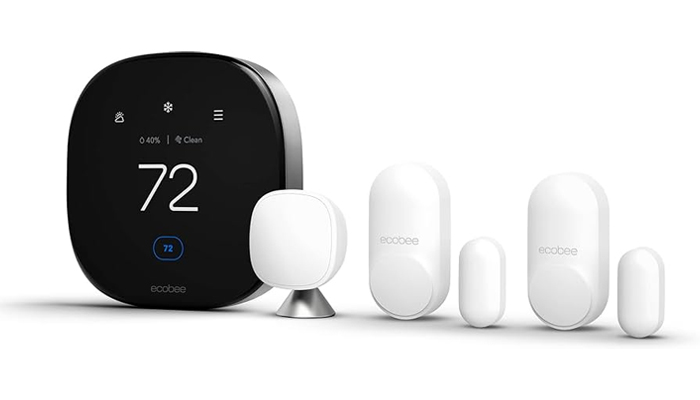
Smart Thermostats: Systems like Ecobee and Nest offer advanced features such as occupancy sensors and learning algorithms to adjust temperatures automatically, ensuring comfort while minimizing energy waste.
Smart Home Hubs: Platforms like Samsung SmartThings and Google Home allow seamless integration of multiple smart devices, enabling centralized control and automation for lighting, temperature, and appliances.

Voice Assistants: Devices like Amazon Alexa and Google Home provide hands-free control of your smart home, making it easy to manage energy-efficient settings with simple voice commands.
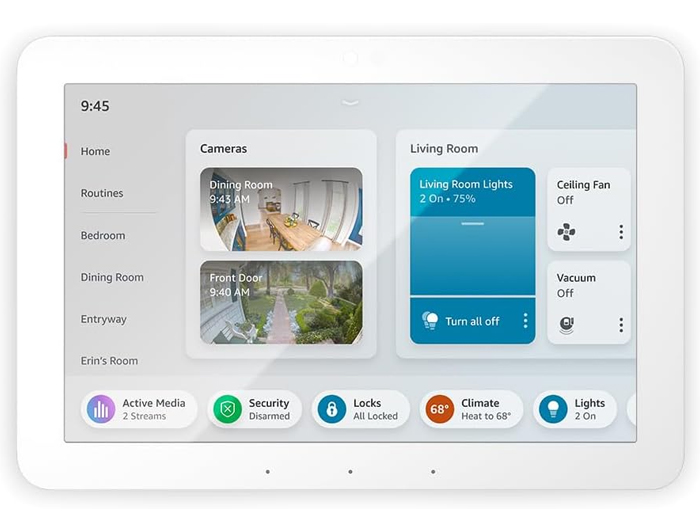
By incorporating these smart tools, you can significantly lower energy consumption, reduce utility bills, and contribute to a greener environment. Each system offers unique features tailored to different needs, ensuring a customizable and sustainable living experience.
5. Layout and Lighting Fixtures
The design and aesthetic of your home’s interior and exterior play a crucial role in determining how much artificial lighting it requires. However, embracing energy-efficient lighting solutions can significantly reduce energy consumption. For instance, LEDs and fluorescent bulbs are excellent choices due to their durability and cost-effectiveness.
In addition to energy-efficient fixtures, optimizing your home’s layout to maximize natural light during the daytime can have a transformative impact. Incorporating solar lighting elements not only reduces reliance on artificial lighting but also enhances the visual appeal of your living spaces.
Architectural layouts, such as an open concept design, allow light to flow freely throughout the home, ensuring even illumination and creating an inviting atmosphere. Strategically placed windows, skylights, and glass doors further enhance natural light penetration, reducing electricity bills while fostering a healthier indoor environment. For example:
- South-facing windows capture the maximum sunlight throughout the day, particularly in colder climates.
- Well-placed skylights flood central areas with daylight, brightening spaces without the need for artificial lights.
Natural lighting offers multiple benefits, from improving aesthetic appeal to creating a safer, healthier, and more sustainable living environment. By combining thoughtful design and energy-efficient lighting, your home can achieve both comfort and cost savings while contributing to a greener lifestyle.
6. Building Envelope
Just as we protect our smartphones, vehicles, and other valuable items from scratches and damage by using protective covers, your building also requires care and protection. The outer structure of a home, referred to as the building envelope, plays a vital role in ensuring energy efficiency. It acts as a shield between the internal and external environments, protecting the home from air infiltration, moisture intrusion, and harsh weather conditions.
A well-designed building envelope not only safeguards the structure but also contributes significantly to maintaining desired indoor temperatures. The type and quality of materials used for the envelope directly determine its efficiency. Incorporating essential features such as vapor barriers, foam sealants, caulking, and high-performance insulation can enhance its effectiveness.
- Vapor Barriers: These help prevent moisture from seeping into walls and ceilings, reducing the risk of mold and improving thermal efficiency.
- Foam Sealants and Caulking: These materials are used to seal gaps and cracks in the building envelope, ensuring airtightness and reducing drafts that increase heating and cooling costs.
- Insulation: Proper insulation materials, tailored to the regional climate, help trap heat during winter and keep interiors cool during summer. This reduces reliance on external systems and lowers energy bills.
By prioritizing these components during construction or renovation, you can optimize your building’s energy performance, reduce utility costs, and create a comfortable, sustainable living environment. A well-sealed and insulated building envelope is an investment in both energy efficiency and long-term durability.
7. Design for Water Conservation
An increasing number of houses are going for water conservation. They opt for greywater recycling to conserve water. Greywater is the wastewater from showers, sinks, laundry tubs, and washing machines.
This can be done by installing a diversion system in the houses as well. You can divert greywater from the washing machine to the bathroom or garden.
This practice will help you decrease your water usage by 50%, helping reduce your water bill. Moreover, you can also save water by incorporating new technology in your house.
8. Roofing Materials
The roofing material is an important consideration as it helps deflect sunlight and absorbs less heat, thus maintaining the constant temperature of your home. The choice of roofing material makes a difference in overall energy efficiency. The materials used to build roofs help you with energy conservation and decrease air pollution and greenhouse gas emissions. It helps in keeping your home cool without air conditioning.
9. Go Solar
The best way to make your house energy-efficient is going for solar energy. Install solar panels on the roof or in places that have the potential to absorb maximum sunlight. Solar panels help in converting solar energy into electrical energy.
It is an environmentally friendly option. It may feel expensive initially, but it saves a lot of money in the long run.
10. Water Heating Systems
A water heating system consumes a huge amount of electricity. There are many ways to improve water heating systems and save energy. Opting for an energy-efficient water heater and using solar water heaters.
Efficient water heater systems are very important for making your house energy efficient.
An energy-efficient house might be expensive at the start, and you may feel like not investing in it, but it can be incredibly beneficial in the longer term, letting you save money and energy. Let’s contribute to improving the world by making our economy green.